
There’s something deeply comforting about a homemade loaf — the gentle rise, the golden crust, and the warm aroma that fills your kitchen. This small batch of easy whole wheat bread is the perfect recipe for when you crave the wholesomeness of freshly baked bread but don’t want a large batch. Enriched with honey, milk powder, and a touch of oil, this loaf bakes up soft, slightly sweet, and beautifully golden — ideal for breakfast toast or a cozy sandwich. Whether you’re a beginner or a seasoned home baker, this recipe fits right into your daily rhythm with just the right balance of effort and reward—no fuss, no fancy ingredients — just honest, nourishing bread from your own hands.
Soft, Sweet & Ready in a Flash!
This isn’t your average easy whole wheat bread — it’s softer, sweeter, and way more fun! With just a handful of simple ingredients and a quick rise, this loaf bakes up golden and fluffy, perfect for toast, sandwiches, or just tearing apart warm with butter. Thanks to a touch of honey and milk powder, it’s mildly sweet and rich — something kids will want to eat (and not the usual “blah” brown bread they push aside!). Quick, wholesome, and completely craveable — this one’s a keeper.
Ingredients & Why They’re Used in Bread
- Whole Wheat Flour (atta)
- Adds fiber, nutrients, and a hearty flavor.
- Provides structure but absorbs more liquid and can be dense, so it benefits from added moisture or enrichments.
- Warm Water
- Activates the yeast and hydrates the flour to form gluten.
- Essential for binding ingredients and supporting fermentation.
- Active Dry Yeast
- The leavening agent that produces carbon dioxide helps the dough rise and gives the bread its airy texture.
- Honey
- Adds natural sweetness, enhances flavor, and feeds the yeast.
- Also helps the crust brown beautifully and keeps the crumb moist.
- Oil
- Tenderizes the dough and adds richness.
- Helps keep the bread soft and extends shelf life.
- Milk Powder
- Enriches the dough with protein and lactose (milk sugar).
- Adds a soft, tender crumb and helps the bread brown evenly.
- Butter (for finishing)
- Brushed on top for flavor and a soft, shiny crust.
- Optional but adds a bakery-style finish.

Step-by-Step Instructions to Make Soft Whole Wheat Bread
1. Warm the Oven (Optional Proofing Step)
- Preheat your oven to 90°C / 200°F for just a few minutes, then turn it off. This will create a warm, draft-free space to let your dough rise.
2. Activate the Yeast
- In a mixing bowl, add warm water (around 43°C / 110°F).
- Sprinkle in the active dry yeast and stir.
- Add the honey, mix again, and let it sit for 5–10 minutes.
- You’ll see bubbles and foam — that’s the yeast “waking up.” This is called proofing the yeast.
Why this matters: Proofing ensures your yeast is alive and active before committing to the rest of the ingredients. If the yeast does not bubble or foam it means your yeast is dead.
3. Add the Remaining Ingredients
- Pour in the oil and milk powder.
- Add about 250 gm of your flour (whole wheat and/or all-purpose).
- Mix everything using a stand mixer with the dough hook attachment, or a wooden spoon if by hand.
4. Knead the Dough (Very Important!)
- Knead for 8–10 minutes at medium-high speed in a stand mixer, or by hand for 12–15 minutes.
- Gradually add more flour if the dough is too sticky — but avoid adding too much, or the bread may become dry.
- The dough should feel soft, supple, and slightly tacky (not sticky or dry).
5. Perform the Windowpane Test
The windowpane test tells you if the dough has developed enough gluten — the stretchy network that traps gas and gives bread its chewy structure.
How to do it:
- Pinch off a small ball of dough (about the size of a golf ball).
- Gently stretch it out using your fingers.
- Keep stretching — slowly and evenly — into a thin sheet.
- If the dough stretches thin enough to become translucent without tearing, it has passed the windowpane test!
- If it tears quickly, it needs more kneading. Let it rest for 2–3 minutes, then knead again for a few minutes and re-test.
Why this matters: Proper gluten development is the key to soft, airy bread. No windowpane = dense loaf.
6. Shape the Dough
- Rub a little oil on your hands.
- Shape the dough into a smooth log.
- Lightly grease a small loaf pan and place the shaped dough inside.
7. First Rise (Proofing)
- Place the loaf pan in your warm (but turned off) oven.
- Let it rise for 20–25 minutes, or until it has roughly doubled in size.
The warm environment helps the yeast work quickly.
8. Bake the Bread
- Without removing the loaf, turn the oven to 180°C.
- Bake for 40 – 45 minutes, or until the loaf is golden brown and sounds hollow when tapped on the bottom.
9. Finishing Touch
- Once out of the oven, spread butter on top while still warm. This gives it a soft, shiny crust and a rich finish.
10. Cool & Store
- Let the loaf cool for about 15 minutes in the pan, then remove and let it cool completely on a wire rack.
- Store in an airtight container for 2 days at room temperature, or freeze for longer storage.
10 Tips for Soft, Easy 100% Whole Wheat Bread
1. Use Fresh Whole Wheat Flour
Fresh flour = better flavor and performance. Whole wheat contains natural oils that can go rancid over time, so try to use flour stored in the fridge or recently milled for best results.
2. Add Natural Sweeteners
Honey, jaggery syrup, or brown sugar feed the yeast and lock in moisture. They also mellow the earthy flavor of whole wheat — kids won’t even realize it’s “healthy” bread!
3. Enrich with Milk Powder
Just 1–2 tablespoons of milk powder boosts softness, adds natural sugars and proteins, and helps with browning. It’s your secret to soft, bakery-style texture without dairy liquid.
4. Use the Right Amount of Liquid
Whole wheat flour absorbs more water than white flour. Your dough should feel soft and slightly tacky, not stiff or dry. Let it rest after mixing so the flour fully hydrates.
5. Incorporate Oil or Butter
A little fat (like vegetable oil, ghee, or melted butter) tenderizes the crumb and keeps the bread moist longer. Use at least 1 tablespoon per small loaf.
6. Knead Until Smooth & Elastic
Whole wheat dough takes a little longer to become elastic — knead for 10–12 minutes by hand or 8–10 minutes in a stand mixer. Look for a smooth surface and good stretch.
7. Do the Windowpane Test
To test gluten development:
Pinch off a piece of dough, stretch it gently.
If you can pull it into a thin, translucent “window” without tearing — it’s ready.
If it rips quickly, knead more.
8. Proof in a Warm, Moist Spot
Yeast loves warmth — but not heat. Let your dough rise in an off oven or warm microwave with a cup of hot water inside. Cover with a damp towel or cling wrap to avoid drying out.
9. Bake at the Right Time
Don’t overproof. As soon as the dough has doubled in size and leaves a slight dent when poked, bake it. Over-risen dough collapses or tastes yeasty.
10. Brush the Top with Butter
While still hot, spread butter over the top of the loaf. It keeps the crust soft, adds shine, and boosts flavor — especially important in whole wheat bread that can otherwise seem dry.
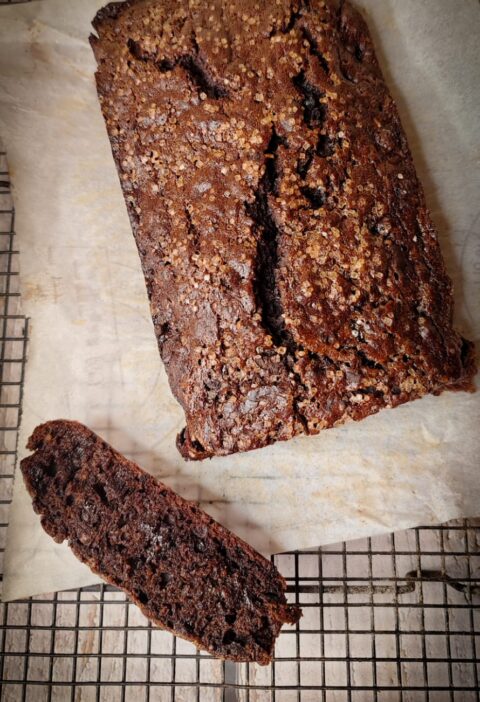
If you like Easy Wholewheat Bread (atta bread), try our Chocolate Banana Bread recipe for a delicious twist!
Ingredients
Instructions
- Instructions for Soft Whole Wheat Bread
- 1. Warm the Oven (Optional)
- Preheat the oven briefly to create a cozy environment for your dough to rise, then switch it off.
- 2. Activate the Yeast
- Pour warm water into a mixing bowl. Stir in the yeast and honey. Let it sit until foamy—this shows the yeast is alive and ready.
- 3. Mix the Dough
- Add oil, milk powder, and most of the flour to the yeast mixture. Begin mixing, then gradually add more flour until the dough becomes soft, slightly tacky, and starts pulling away from the bowl.
- 4. Knead the Dough
- Using a stand mixer or your hands, knead the dough until it turns smooth and elastic. This helps develop the gluten for a well-structured, airy loaf. It will take 10 minutes if you have a stand mixer on a medium speed and about 11 to 12 minutes if you are doing it by hand. It should pass the windowpane test.
- 5. Windowpane Test
- To check if the dough is ready, take a small piece and gently stretch it between your fingers. If it forms a thin, see-through membrane without tearing, the gluten is well developed. If it tears, knead a bit more and test again.
- 6. Shape the Dough
- Lightly oil your hands and shape the dough into a neat loaf. Place it in a greased loaf pan.
- 7. Proof the Dough
- Set the loaf in the warm (turned-off) oven. Allow it to rise until it doubles in size. This usually takes about 20 to 30 minutes, depending on the warmth. It took about 45 minutes for me.
- 8. Bake
- Without removing the loaf, turn the oven back on to 180 degrees C for 40 minutes. Bake until the top is golden brown and the loaf sounds hollow when tapped.
- 9. Finishing Touch
- Take the bread out and immediately brush the top with butter for a soft, flavorful crust. Let it cool slightly before removing from the pan.
- 10. Serve or Store
- Slice and enjoy! This bread stays soft for a couple of days at room temperature or can be frozen for later use.