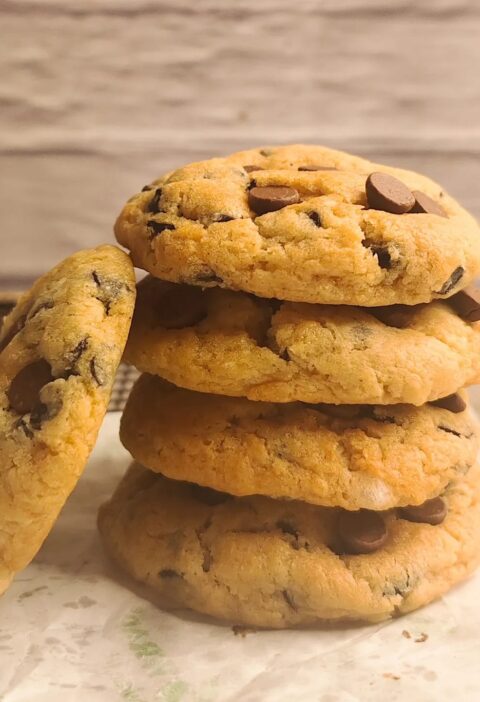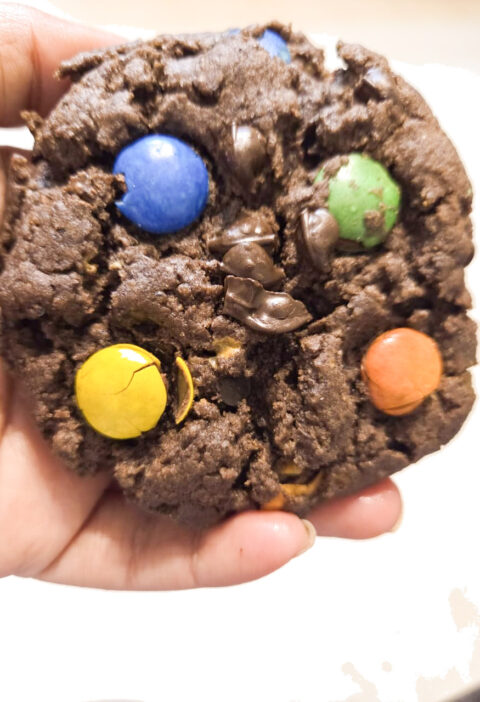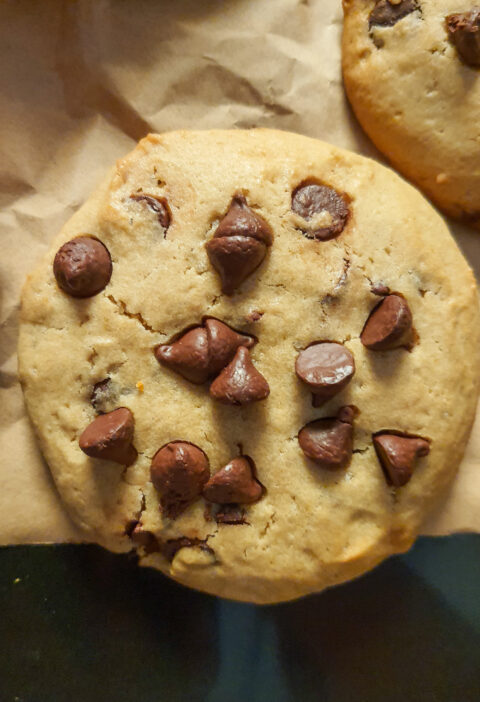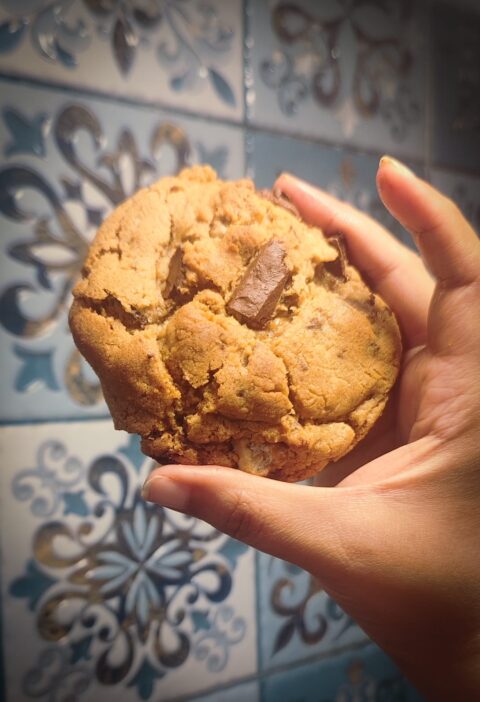

There’s something so comforting about a freshly baked cookie — the warm aroma filling the kitchen, the first bite still soft and gooey, and the familiar sweetness that feels like home. These Eggless Oats Chocolate Chunk Cookies are my go-to when I want a treat that’s both wholesome and indulgent.
I’ve tried a lot of eggless oats and chocolate cookies over the years, but these are the clear winner — easy to make, wonderfully chewy, and absolutely delicious. My little niece and nephews absolutely loved them, which makes baking them even more special.
Made with hearty rolled oats, rich chunks of real chocolate, and no eggs, they strike the perfect balance between chewy and crisp. The oats bring a lovely texture and a boost of fiber, while the chocolate chunks melt into glorious pools of cocoa goodness in every bite. Perfect for a quick snack, a lunchbox treat, or an after-dinner sweet, these cookies are as easy to make as they are to devour.
Types of Oats & Their Differences
1. Rolled Oats (Old-Fashioned Oats)
- What they are: Whole oat groats that have been steamed and then rolled flat.
- Texture: Slightly chewy with a flat, oval shape.
- Cooking time: 5–10 minutes.
- Best for: Cookies, granola, overnight oats, and baking — they hold their shape well and add texture.
- Why great for cookies: They give chewiness without being too coarse.
2. Quick-Cooking Oats (Instant Oats)
- What they are: Rolled oats that have been cut into smaller pieces and rolled thinner.
- Texture: Softer and finer, cooks very quickly.
- Cooking time: 1–3 minutes.
- Best for: Instant porridge, smoothies, soft-textured baked goods.
- Why not ideal for cookies: They can make cookies softer and less chewy because they absorb more moisture.
3. Steel-Cut Oats (Irish Oats)
- What they are: Whole oat groats chopped into small pieces with steel blades, not rolled.
- Texture: Very chewy and coarse, almost like rice grains.
- Cooking time: 20–30 minutes.
- Best for: Hearty oatmeal bowls or slow-cooked dishes.
- Why not for cookies: Too coarse and firm — they won’t soften enough during baking.
✅ In short:
For cookies, rolled oats are your best choice — they give structure and a pleasant chew without being tough. Quick oats can work in a pinch, but make softer cookies, while steel-cut oats are best left for porridge.
Here’s a quick comparison table you can use in your blog:
| Type of Oats | How They’re Made | Texture | Cooking Time | Best Uses | Cookie Result |
|---|---|---|---|---|---|
| Rolled Oats (Old-Fashioned) | Steamed then rolled flat | Slightly chewy, flat | 5–10 min | Cookies, granola, overnight oats, baking | Chewy, structured cookies |
| Quick-Cooking Oats (Instant) | Rolled oats cut smaller & rolled thinner | Soft, fine | 1–3 min | Instant porridge, smoothies, soft baked goods | Softer, less chewy cookies |
| Steel-Cut Oats (Irish) | Whole groats chopped into small pieces | Very coarse, firm | 20–30 min | Porridge, slow-cooked dishes | Too hard for cookies |
Tips for Perfect Eggless Oats Chocolate Chunk Cookies
- Use good-quality chocolate chunks – Chop a bar of good dark or semi-sweet chocolate instead of using regular chips for bigger, richer pockets of melted chocolate.
- Measure your oats and flour correctly – Too much can make cookies dry, too little can make them spread too much. Use the spoon-and-level method for accuracy.
- Chill the dough – A short chill (about 20–30 minutes) helps the cookies hold their shape and gives a better texture.
- Don’t skip the brown sugar – It adds chewiness and depth of flavor. A mix of brown and white sugar works best.
- Do not overbake – Take them out when the edges are just golden and the center still looks slightly soft. They will firm up as they cool.
- Use room temperature butter – This helps the dough come together evenly without overmixing.
- Adjust sweetness – If you’re using very sweet chocolate, you can reduce the sugar slightly to keep the balance right.
- For extra flavor, add a pinch of cinnamon or a splash of vanilla extract to make them more aromatic.
Why We Use Hot Water & Baking Soda as a Rising Agent?
In this recipe, baking soda (sodium bicarbonate) is the leavening agent that helps the cookies spread and develop a slightly lighter texture. On its own, baking soda needs an acid and moisture to activate.
By dissolving the baking soda in hot water before adding it to the dough, two things happen:
- Instant Activation – The heat jump-starts the reaction, releasing carbon dioxide bubbles that will expand in the oven and give the cookies a tender, slightly airy texture.
- Even Distribution – Dissolving baking soda in water ensures it’s evenly mixed into the dough, preventing any unpleasant bitter spots.
This technique works especially well in eggless baking, where we rely more on chemical leavening (instead of eggs) to give cookies the right texture.
Ingredients
Instructions
- Method
- Prep oven & tray – Preheat oven to 175 °C (350 °F). Line a baking sheet with parchment paper.
- Cream butter & sugars – In a large mixing bowl, beat softened butter with both sugars until light and fluffy.
- Activate baking soda – In a small cup, stir baking soda into the boiling water until dissolved. Add this to the butter–sugar mixture along with the vanilla. Mix well.
- Add dry ingredients in one bowl – To the same bowl, add oats, flour, and salt all at once. Stir until just combined.
- Fold in chocolate – Gently mix in the chocolate chips until evenly distributed.
- Shape & bake – Scoop tablespoons of dough onto the lined tray, spacing them 5 cm (2 in) apart. Flatten slightly. Bake for 10–12 minutes or until edges are golden.
- Cool – Let cookies cool on the tray for 5 minutes before transferring to a wire rack.